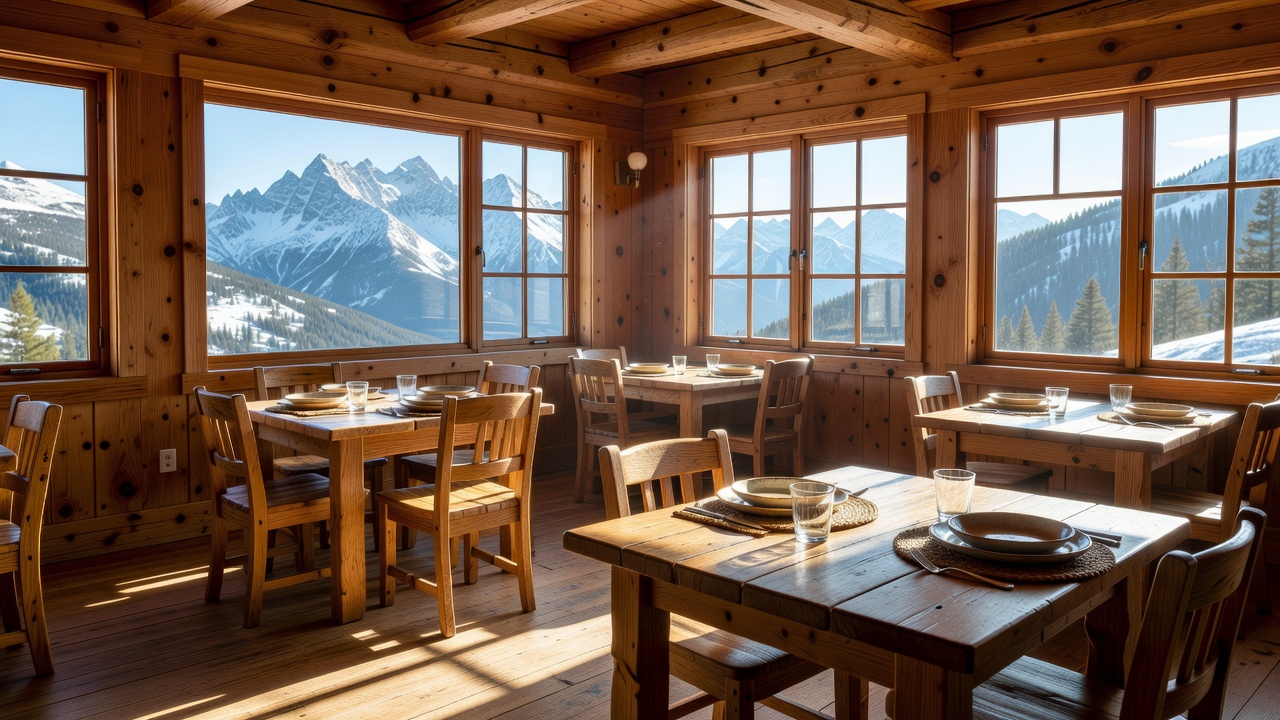
Begin before the welcome
A considered evening starts with practical information. Does the restaurant serve fondue on the day you plan to visit? Is it available for one person, or is there a minimum number sharing? Can the kitchen accommodate different blends at the same table? These policies vary, and a beautiful photograph cannot answer them.
Contact the venue directly about allergies, access requirements and timing. Explain what you need rather than relying on a broad label such as “accessible” or “vegetarian-friendly.” A step-free entrance does not necessarily mean an accessible toilet; a cheese dish does not necessarily use vegetarian rennet. Precise questions give a responsible team the chance to offer precise answers.
For mountain locations, also establish how you will return after dinner. Cable cars, buses and seasonal roads may not operate late. A restaurant’s opening hours do not imply that onward transport is available. Checking this in advance protects the unhurried quality you came for.
Space is part of the service
Fondue occupies a table differently from plated food. The pot, heat source, bread, glasses and personal plates must coexist without forcing diners to reach over a flame or balance belongings beside hot equipment. Comfortable spacing is therefore functional, not merely decorative. A smaller table can work if it is arranged intelligently and replenished without clutter.
Notice sound and light as well as timber and textiles. You should be able to hear the explanation of the blend and see your plate without the room feeling clinical. A dramatic interior is no substitute for a comfortable chair, a stable table or enough light to handle long forks safely. Warmth should come from hospitality, not excessive heat around the burner.
Ask for help early if the arrangement is awkward. A good team can reposition accompaniments, discuss another table where available, or explain a safer way to share. Children and diners with limited reach may need a different setup. An elegant room should accommodate people, not expect people to fit the photograph.
Listen for useful knowledge
The most valuable explanation is often short: the cheeses, their origin, the liquid used and the reason for the chosen blend. Staff should distinguish what they know from what they need to check. An honest pause to consult the kitchen is more reassuring than an elaborate answer that avoids the actual question.
Be cautious about treating superlatives as information. “Exclusive,” “ancient” and “the best” reveal little without context. A clear account of the cheesemaker or supplier, when available, is more meaningful. Equally, a restaurant need not name every farm to provide a good meal. The standard is accurate communication, not a performance of expertise.